
Nutritional Science for Men Over 40
Understanding Dietary Needs in Later Adulthood
As men progress beyond age 40-50, nutritional requirements and digestive physiology undergo natural changes. Understanding these biological shifts informs dietary strategies that remain effective and supportive across the lifespan. This section explores the science of nutrition for men in later adulthood.
Educational content only. No promises of outcomes. This information is general and not personalized health advice. Individual circumstances vary. Consult healthcare professionals for personal dietary recommendations.
Physiological Changes in Aging
Scientific research documents natural physiological changes in later adulthood. These changes affect nutrient absorption, metabolism, and nutritional requirements:
Digestive System Changes
- Reduced Stomach Acid: Lower gastric acid production decreases the absorption of certain minerals like calcium, iron, and vitamin B12 from food.
- Enzyme Changes: Production of digestive enzymes may decrease, affecting protein breakdown and nutrient bioavailability.
- Gut Motility: Transit time through the digestive tract may increase, altering bacterial fermentation patterns.
- Microbiota Shifts: Gut bacterial composition changes with age, affecting nutrient synthesis and immune function.
Metabolic Adjustments
- Caloric Needs: Basal metabolic rate typically decreases due to reductions in muscle mass and activity levels.
- Nutrient Density: While caloric needs may decrease, nutrient requirements often remain similar or increase—making nutrient-dense foods more important.
- Protein Metabolism: Protein requirements may increase to maintain muscle mass in the face of age-related loss (sarcopenia).
- Hormone Changes: Natural shifts in hormone levels affect calcium metabolism, bone health, and nutrient utilization.
Key Micronutrients for Men in Later Adulthood
Certain nutrients deserve particular attention in the diet of men over 40, based on research about absorption changes and physiological needs:
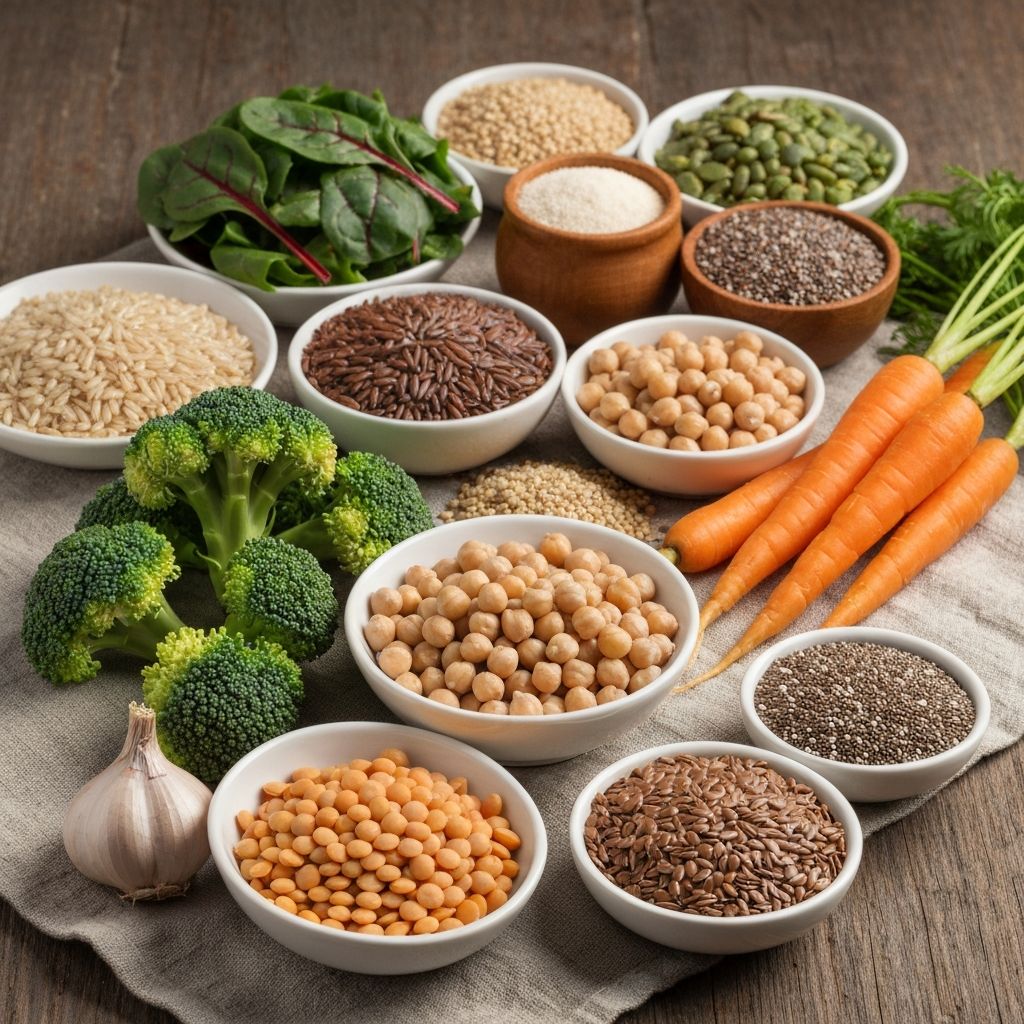
Important Micronutrients
- Vitamin B12: Often requires supplementation for older adults due to reduced intrinsic factor and stomach acid. Found naturally in animal products; plant sources are limited.
- Vitamin D: Absorption may decrease with age. Sunlight exposure and dietary sources (fatty fish, fortified foods) remain important.
- Calcium: Reduced absorption due to lower stomach acid makes plant sources and other calcium-rich foods important. Leafy greens, fortified plant milks, and legumes contribute.
- Magnesium: Involved in muscle function and bone health. Plant sources include leafy greens, seeds, nuts, and legumes.
- Iron: Plant-based iron (non-heme) is less bioavailable than animal sources. Pairing with vitamin C sources enhances absorption.
- Zinc: Found in seeds, nuts, legumes, and whole grains. Important for immune function and may be less bioavailable from plant sources.
Whole-Food Plant Diversity Strategy
Rather than relying on individual "superfoods," scientific evidence supports varied consumption across plant categories. Each group offers distinct nutrients:
Diverse Plant Categories
- Dark Leafy Greens: Rich in magnesium, calcium, iron, and polyphenols. Spinach, kale, chard, and similar greens are nutritional powerhouses.
- Colorful Vegetables: Different colors indicate different phytochemicals. Red/orange vegetables provide carotenoids; purple offer anthocyanins; yellow/orange include lutein.
- Legumes: Excellent protein sources with fiber and minerals. Beans, lentils, chickpeas provide iron, magnesium, and zinc (plant forms requiring adequate vitamin C pairing).
- Whole Grains: Provide B vitamins, fiber, and minerals. Oats, barley, brown rice, and other whole grains offer sustained energy and micronutrient density.
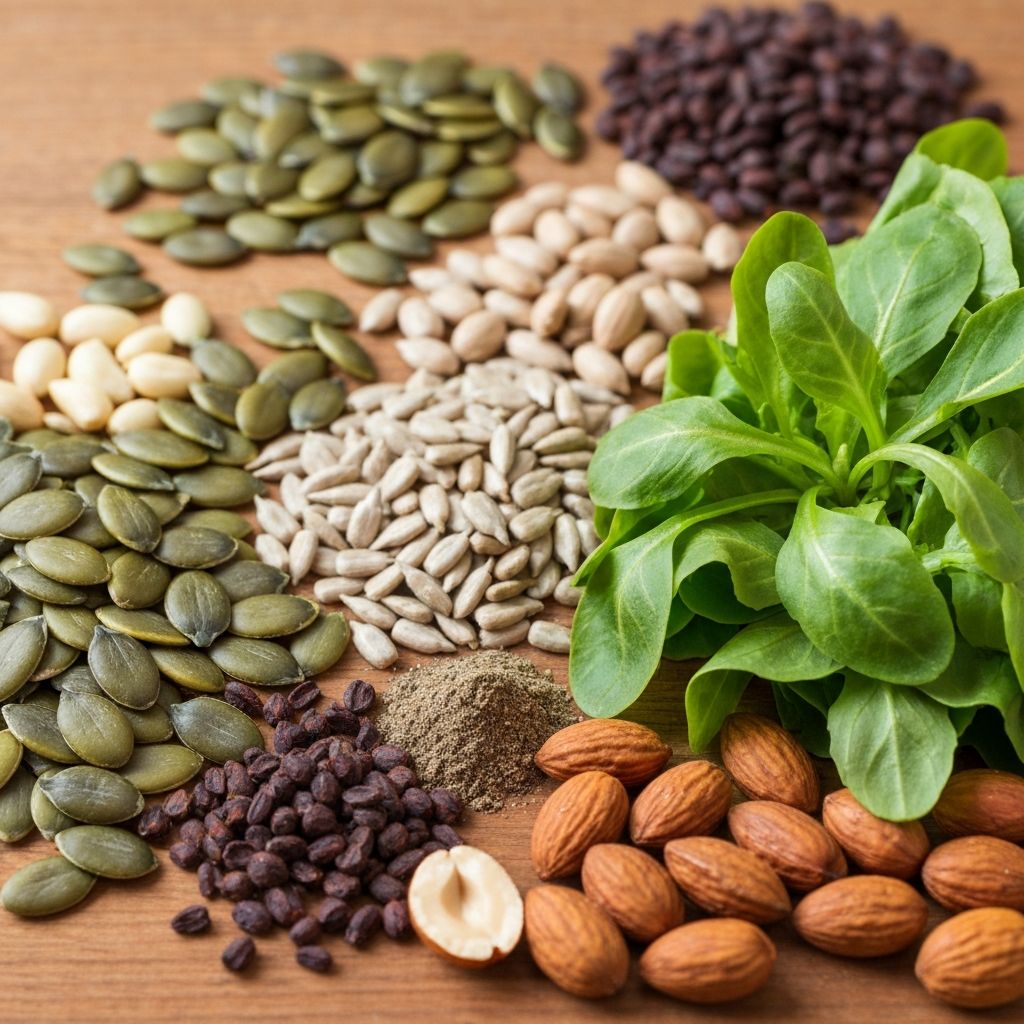
- Seeds and Nuts: Concentrated sources of minerals (magnesium, zinc, selenium) and healthy fats that support nutrient absorption.
- Berries and Fruits: Offer fiber, polyphenols, and vitamin C (which enhances iron absorption from plant sources).
Protein Considerations for Men Over 40
Age-related muscle loss (sarcopenia) is a recognized phenomenon. Maintaining adequate protein intake with physical activity supports muscle preservation:
- Protein Requirements: May increase slightly in older adulthood compared to younger adults, due to less efficient protein synthesis and age-related muscle loss.
- Plant-Based Proteins: Legumes, whole grains, seeds, nuts, and soy products provide protein with varying amino acid profiles. Consuming diverse sources ensures complete amino acid intake.
- Amino Acid Profile: Different plant proteins have different amino acid compositions. Combining sources (grains with legumes, for example) provides complete protein profiles.
- Digestibility: Cooked legumes are more digestible than raw. Sprouting and fermentation can improve nutrient bioavailability of plant proteins.

Dietary Strategies for Optimal Absorption
In later adulthood, optimizing nutrient absorption becomes particularly important due to digestive changes. Strategic food combinations enhance bioavailability:
- Vitamin C Pairing: Consuming vitamin C-rich foods (citrus, berries, peppers) with plant-based iron sources enhances iron absorption significantly.
- Healthy Fats: Include plant oils, nuts, and seeds to facilitate absorption of fat-soluble compounds and enhance overall nutrient extraction.
- Digestive Health: Adequate fiber, fermented foods (sauerkraut, kimchi), and hydration support digestive efficiency.
- Meal Timing: Distributing protein intake throughout the day (rather than concentrated at dinner) may optimize muscle protein synthesis in aging.
- Food Preparation: Cooking, sprouting, and fermentation techniques can improve nutrient bioavailability of plant sources.
Activity Level and Nutritional Needs
Physical activity significantly influences nutritional requirements in men over 40:
- Sedentary Pattern: Lower activity levels decrease caloric needs but don't decrease micronutrient needs. Plant-based nutrient density becomes increasingly important.
- Regular Activity: Consistent physical activity supports muscle maintenance, bone health, and metabolic efficiency. Adequate protein and calories support this activity level.
- Protein Post-Exercise: Consuming protein within hours after physical activity supports muscle protein synthesis and recovery.
- Hydration: Fluid needs remain consistent or may increase with activity levels. Proper hydration supports nutrient absorption and metabolic processes.
Individual Variation and Professional Guidance
While this information reflects scientific understanding of nutritional needs in later adulthood, individual circumstances vary significantly:
Important Considerations
- Existing health conditions affect nutritional requirements and tolerances
- Medications may interact with certain nutrients or affect absorption
- Allergies and food sensitivities require individualized approaches
- Genetic factors influence nutrient metabolism and requirements
- Personal activity levels and body composition affect caloric and protein needs
- Agricultural and environmental factors affect nutrient density of foods
For personalized nutritional guidance, consult registered dietitians or qualified nutrition professionals who can assess individual circumstances and provide specific recommendations.
Learn More About Botanical Nutrition
Explore additional educational resources about plant-based nutrition and dietary science.
Return to Home Read FAQ